LJR Pump Distributors
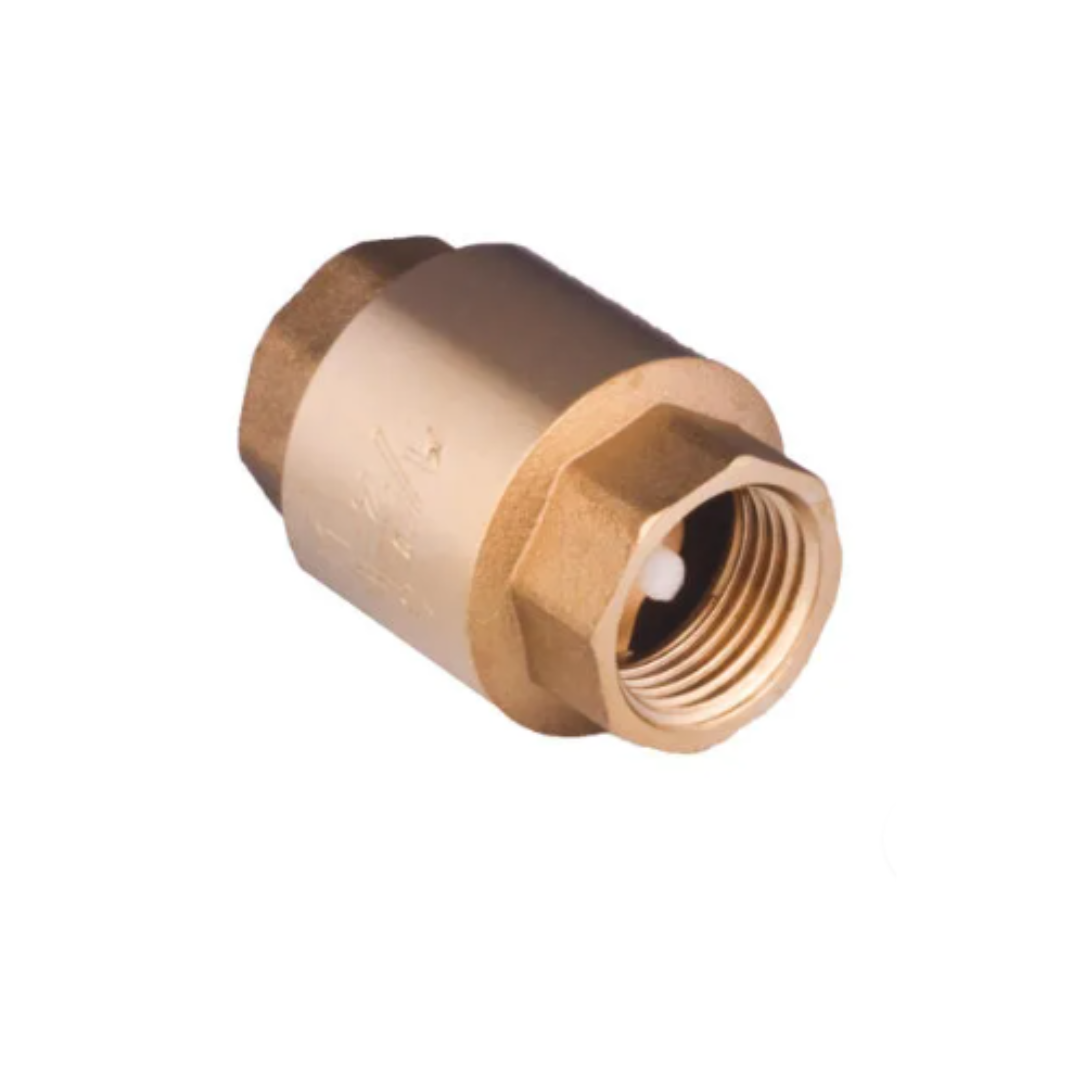
Borehole Non return valve
Borehole Non return valve
Couldn't load pickup availability
A borehole non-return valve, also known as a check valve or one-way valve, is a critical component in borehole systems designed to control the direction of water flow. Here’s a detailed description of its components, operation, and typical applications:
1. **Components**:
- **Body**: The main body of the non-return valve is typically made from durable materials such as brass, stainless steel, PVC (Polyvinyl Chloride), or thermoplastics. The material choice depends on factors such as water quality, pressure, and environmental conditions.
- **Valve Mechanism**: Inside the valve body, there is a mechanism that allows water to flow in one direction while preventing reverse flow. This mechanism can vary but often includes a hinged flap, spring-loaded disc, or swing check mechanism.
- **Seals**: Non-return valves are equipped with seals or seats made from materials such as rubber (NBR, EPDM) or PTFE (polytetrafluoroethylene). These seals ensure a tight closure when the valve is in the closed position, preventing water leakage.
2. **Operation**:
- **Forward Flow**: When water flows in the intended direction (from the borehole towards the outlet), the pressure of the water opens the valve mechanism, allowing water to pass through the valve and into the system.
- **Prevention of Backflow**: In the event of a pressure drop or when the pump is turned off, the valve mechanism automatically closes due to gravity or a spring, preventing water from flowing back towards the borehole. This feature is crucial for protecting the pump from potential damage caused by water hammer or reverse flow.
3. **Features and Benefits**:
- **Protection**: Non-return valves protect pumps and other equipment in the borehole system from damage caused by backflow, such as water hammer, which can lead to mechanical stress and reduced operational lifespan.
- **Efficiency**: By preventing backflow, these valves ensure the efficiency of the pump and the overall borehole system, maintaining consistent water pressure and flow rates.
- **Reliability**: The robust design and materials used in non-return valves ensure reliability and longevity, even in demanding borehole environments with varying water qualities and pressures.
- **Ease of Installation**: Non-return valves are typically easy to install in-line with the borehole system, requiring minimal maintenance once installed correctly.
4. **Applications**:
- **Borehole Pump Systems**: Installed on the discharge side of submersible pumps to prevent water from flowing back into the borehole when the pump is not operating.
- **Water Distribution**: Used in borehole water distribution networks to maintain pressure and prevent water stagnation in pipelines.
- **Irrigation Systems**: Integral in irrigation systems connected to boreholes, ensuring efficient water delivery to fields or crop areas without risk of backflow.
5. **Considerations**:
- **Size and Pressure Rating**: Select a non-return valve with a size and pressure rating suitable for the specific borehole pump system to ensure proper operation and longevity.
- **Material Compatibility**: Choose materials that are compatible with the water quality and environmental conditions of the borehole system to prevent corrosion or degradation over time.
- **Installation**: Proper installation orientation (typically with the arrow indicating flow direction) and secure connection are essential to ensure effective operation and prevent leaks.
In summary, a borehole non-return valve is a vital component in borehole systems, providing essential protection against backflow and ensuring the efficiency and longevity of pumps and water distribution networks. Its reliable operation and straightforward installation make it indispensable in various residential, agricultural, industrial, and municipal applications.
Share